Termite control
Termite Treatment in Islamabad: Signs, Treatment & Prevention
Spot the early signs of termites (deemak), understand professional treatment options, and learn practical prevention tips for homes and businesses in Islamabad and Rawalpindi.
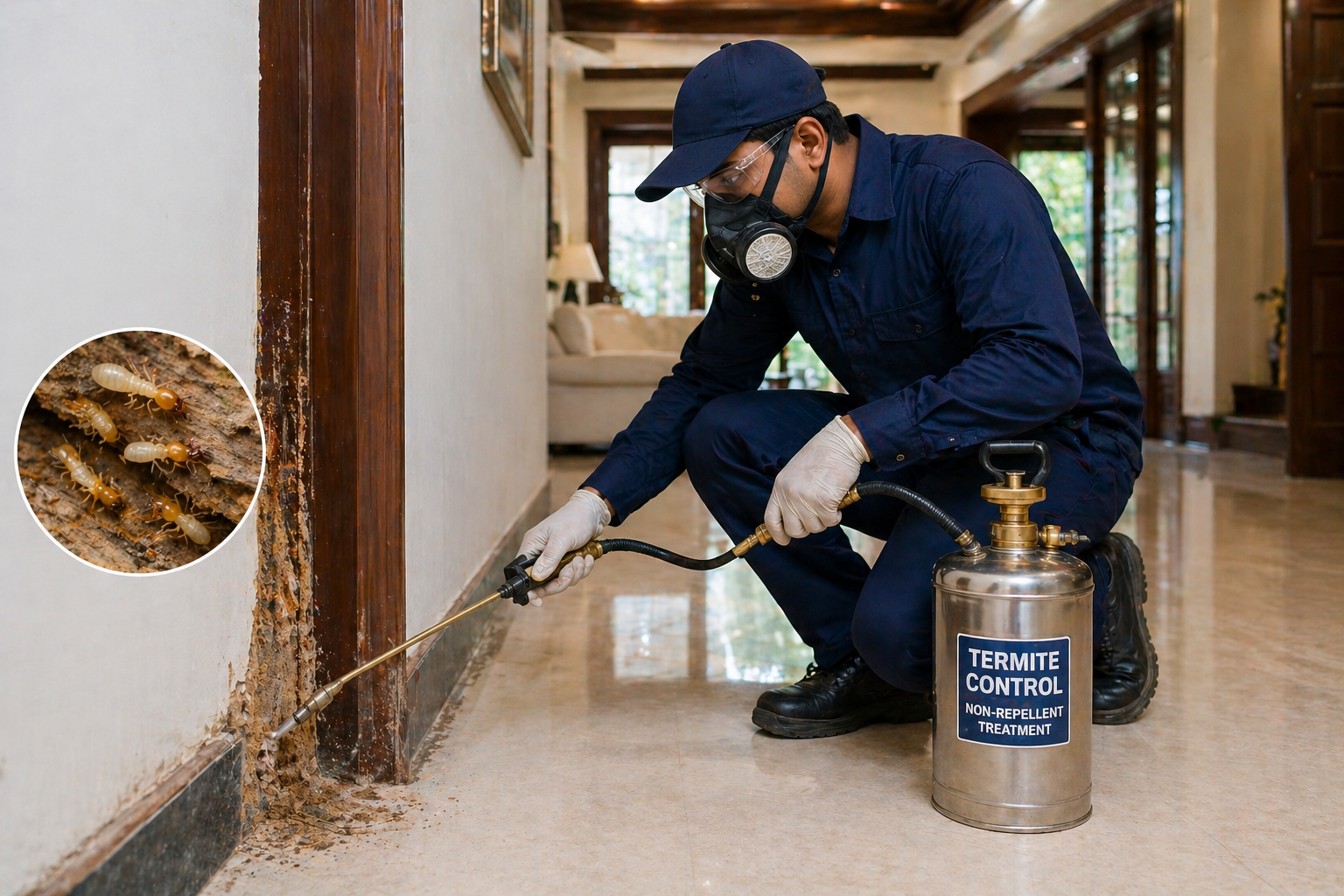
Termites, commonly called deemak, can damage a property quietly for months. They feed on cellulose found in wood, paper, cardboard, and other plant-based materials, putting doors, furniture, cabinets, flooring, and structural timber at risk.
Why termites are a serious property pest?
Termites often stay hidden inside wood, walls, or soil-connected pathways. A door frame or cabinet can look normal from the outside while becoming damaged internally. Early inspection matters because it helps identify activity before repairs become more extensive. Termites are dangerous not because they damage property overnight, but because they can cause slow, concealed, and potentially extensive damage over time.
Signs of termites in your home
If you notice one or more of these warning signs, arrange an inspection rather than waiting for the problem to spread.
- Hollow-sounding or visibly damaged wood in doors, frames, cabinets, or furniture.
- Mud tubes on foundations, walls, or other surfaces near the ground.
- Discarded wings near windows, doors, or light sources.
- Small holes, bubbling paint, or unusual damage to wooden surfaces.
What causes termite infestation?
Termites are attracted to accessible food and favourable living conditions. Persistent dampness, leaking plumbing, wood touching soil, scrap timber around the property, cracks, and untreated construction materials can all increase the risk. Good maintenance reduces risk, but it cannot guarantee that termites will never appear.
How professional termite treatment works?
Inspect
Check wooden areas, foundations, moisture-prone spaces, and possible entry points.
Identify
Determine the likely termite type, location, and extent of the activity.
Treat & prevent
Apply the appropriate treatment and address conditions that may encourage future activity.
Treatment depends on the termite type, the construction of the property, and where activity is found. Subterranean termites may require soil or foundation-focused treatment, while dry-wood termites live inside the timber they feed on and require a different approach. A professional assessment should come before selecting a treatment.
Termite prevention tips
- Repair leaking pipes and reduce moisture around wooden areas.
- Keep timber, cardboard, and construction debris away from the building.
- Avoid direct wood-to-soil contact where possible.
- Inspect doors, frames, cabinets, flooring, and furniture regularly.
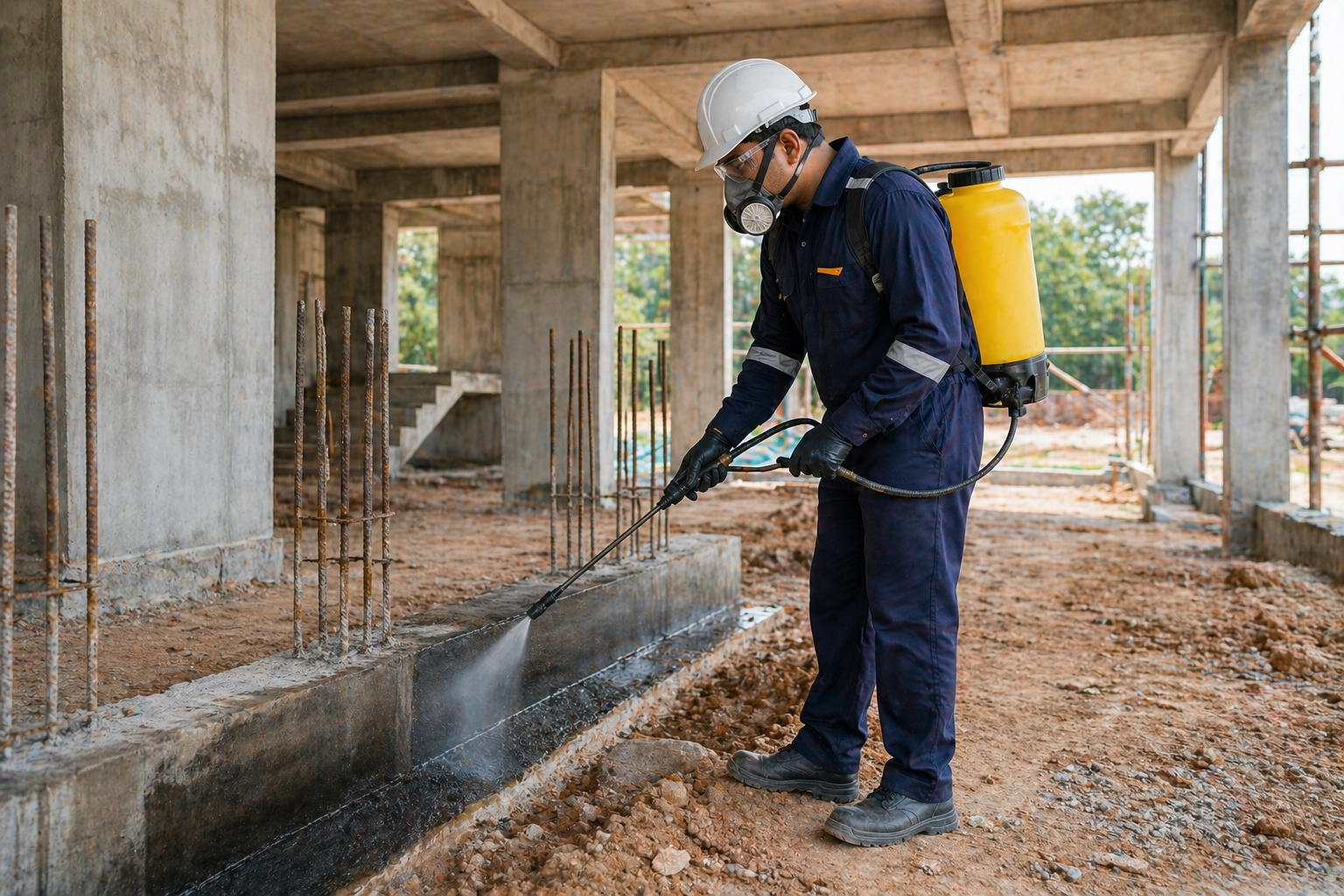
- Arrange preventive treatment for new construction or properties with a termite history.
Termite treatment in Islamabad and Rawalpindi
If you are searching for termite treatment in Islamabad, termite control Islamabad, deemak treatment Islamabad, or termite treatment in Rawalpindi, start with a proper inspection. Islamabad Pest Control can assess whether termites are active, locate the affected areas, and recommend the right treatment and prevention plan for your property.
Frequently asked questions
How do I know if I have termites?
Look for hollow wood, mud tubes, discarded wings, small holes, or repeated damage to wooden items. A professional inspection is the best way to confirm active termite activity.
Can termites damage furniture?
Yes. Termites feed on cellulose, so wooden wardrobes, cabinets, tables, shelves, and other furniture can be affected.
Can I get rid of termites with a DIY spray?
A spray may kill visible termites, but it may not reach the colony or its entry point. Professional inspection helps identify the source and select the right treatment.
How much does termite treatment cost in Islamabad?
The price depends on the property size, termite type, extent of activity, access to affected areas, and treatment method. An inspection allows for an accurate quotation.
Protect your property from termite damage
If you have noticed damaged wood, mud tubes, discarded wings, or other signs of termite activity, do not wait for the damage to increase. A professional inspection can identify the issue and help you choose the right next step.
Arrange an inspection